

Vegetable Growing in January: A Beginner's Guide
Vegetable growing in January may not seem too appealing for a beginner vegetable grower. As the winter chill envelops your surroundings, your vegetable garden might seem hushed and still. However, January is no time for your gardening endeavours to take a back seat. Whether you’re a seasoned gardener or a newcomer, there’s always something to be done to ensure a bountiful harvest in the upcoming months.
Harvesting the Fruits of Your Labour
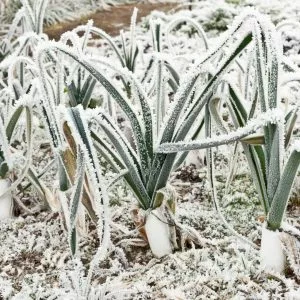
One of the most rewarding aspects of winter gardening is harvesting the produce you diligently nurtured. In January, parsnips and leeks are prime candidates for plucking. Revel in the flavours of freshly picked vegetables that add a touch of satisfaction to your winter meals. It’s a small reminder that even in the quiet months, your efforts are bearing fruit—quite literally.
Vegetable Growing in January: Protection and Preparation
If you’ve opted for potato grow bags in your garden, take measures to shield them from frost on cold nights. A layer of fleece can work wonders, especially if your greenhouse lacks heating. As for early peas, a simple yet effective technique involves placing a cloche over the soil. This not only protects the ground from the harsh winter chill but also warms it up a few weeks before sowing. Let me explain this is huge, giving your pea plants a head start. Two of my favourite Pea varieties are ‘Early Onward’ and ‘Kelvedon Wonder’
Tending to Your Fruit Garden
While winter may seem like a dormant period for your fruit garden, there are vital tasks that demand your attention.
This is one of the craziest things you may have heard because we tend to think of fruit in the summer months. Pruning fruit trees and fruit care in the garden is very topical at this time of year. It is a key part to fruiting successes during the summer months.
Vegetable Growing in January: Pruning for Growth
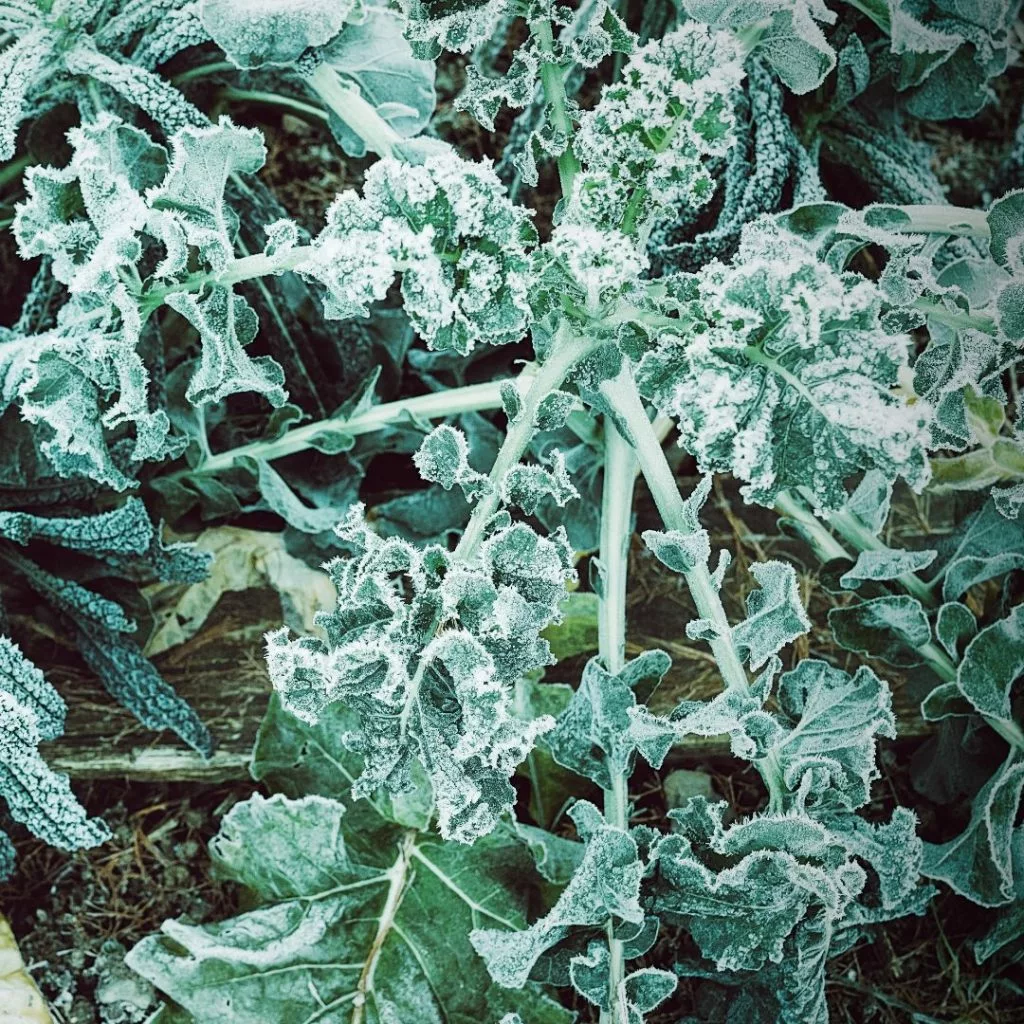
January is the opportune time to shape the future of your fruit trees. Prune apple and pear trees into an open frame resembling a goblet to ensure healthy growth and best yields. Currant plants and gooseberries also receive help from a trim to keep a productive framework of robust branches. However, exercise caution with stone fruit trees like plums, cherries, and apricots—leave them untouched until summer to prevent silver leaf fungal infections.
Seasonal Delights: Forcing Rhubarb
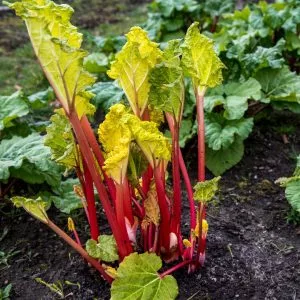
Turn the winter season to your advantage by forcing rhubarb plants. Enclose the crown with an upturned bucket or bin and watch as tender pink stalks appear earlier than usual. If you want to use the traditional method then you might find this article about the Rhubarb Forcing pot interesting. This not only adds a delightful touch to your winter kitchen but also highlights the versatility of your garden.
Conclusion: Cultivating Satisfaction in Every Season
As a beginner gardener, embracing the tasks of January sets the tone for a fulfilling journey into fruit and vegetable cultivation. From the joys of harvesting to the careful protection and preparation of your garden, every action contributes to the success of your future harvests. So, bundle up, grab your gardening tools, and let the winter garden become a canvas for your growing skills. The quietude of January need not mean inactivity—it’s an opportunity to cultivate satisfaction in every season.