

Okay, so you’re looking for South facing garden ideas! Whether you are a beginner gardener or a seasoned one, a south facing garden has the biggest potential. Let’s explore what plants, and features can reinvent your space.
A south facing garden has the highest amount of sunlight and can be the hottest part of the garden Kristian Hickson-Booth
Planting scheme and plants for a south facing garden
We now know this aspect is going to be sunny and hot. With this in mind we need to rule out shade lovers unless we introduce shady spots. To know more about shade, check out North Facing Garden Ideas! Plants that do well in south facing gardens are those from the Mediterranean and the south hemisphere. Common examples would include rosemary, thyme, lavender and ceanothus. Check out South facing flowers and vegetables for a comprehensive list.
Then there are plants which are ideal in those very dry and hot niches. These come under the category of drought tolerant plants. Those niches are often in the overlap of a roof or in a wall recess. This group of plants have the ability to grow and survive in the hottest and driest weather conditions. These favourites are good choices Artemisia, Caryopteris, Coreopsis, Echinacea, Pittosporum and Salvias.
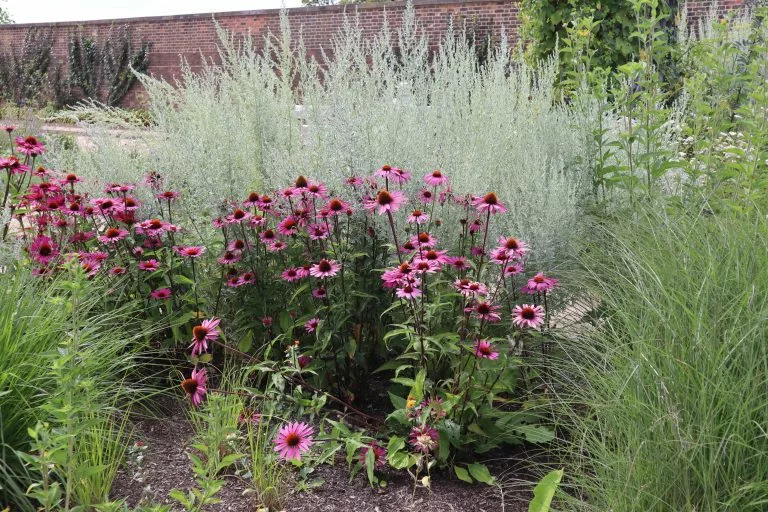
When it comes to plants, we also need to consider the soil. Sun loving plants prefer free draining soil. Silver and fine leaved foliage are less tolerant of heavier wet soils. A south facing garden can have either a light sandy free draining soil or the complicated heavier water keeping clay soils. When you match the right plants, you can create the most colourful garden that will not only survive but will thrive.
Getting out of the sun in a south facing garden
Not everyone can stay in the sun all day, in fact I am one of those people who need shade. Although we do love the sun there are also dangers of being out in the sun for too long. Having had a horticultural career, I am aware of the Reasons why we shouldn’t stay out in the sun too long. Especially without protection. I always make sure I wear a hat, have water with me and apply sunscreen even on the cloudy days too!
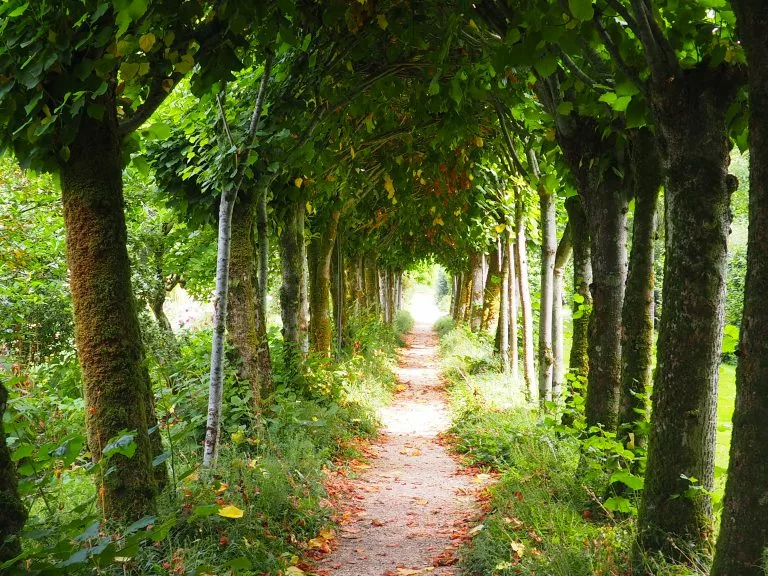
If your garden has no shade, then you may want to consider adding a feature. This can be as simple as erecting a sun sail or constructing a pergola or arbour. They help protect you from the sun at the hottest point of the day. Plants twining and growing over a pergola bring benefits such as more shade, colour, fragrances and supply nectar for pollinating insects. Introducing trees is another choice to supplying shade as well as sound, colour, and movement to the garden. The best tree habits tend to be spreading or slightly spreading.
Use the power of the sun
For as much as we want to protection from the harmful rays of the sun, we can also use its power. Advances in the solar markets means no expense in laying cables to the areas you wish to add electricity.
Solar lights and solar powered water features were the first ventures to bring cable less technology into the garden. This industry has been growing year on year and developing new ways to use solar. The quality of products such as outdoor lighting and floating fountains has improved over the last decade.
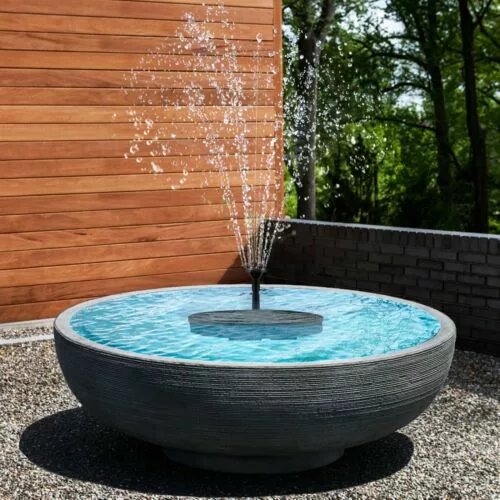
With the improvement of solar you can now kit out your garden. From decorative and deck lighting to even shed lighting and charging your electric power tools inside the shed! Having a south facing garden offers the best number of daylight hours to recharge your panels when they are not in use.
Consider shadows as an added feature
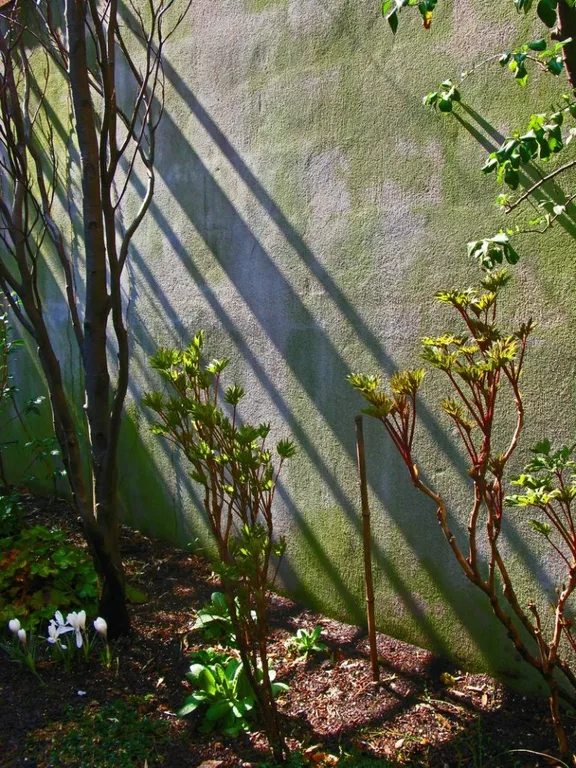
With the sunlight freely to hand you can add features into your garden. Intricate panels can create interesting backdrops to seated areas as the sun shimmers through the cut outs. Garden sculpture can also add long extended lines across a lawn area, adding an extra dimension to the artwork. Trellis screens used as dividers from one area to the next allows dappled sunlight to pepper the borders. Playing around with shadows can also be created by architectural and bold foliage plants. The key is to watch the sun move across the garden and then decide where the shadow patterns will be at their best. Do you go for dappled, long drawn lines or even circular patterns, the choice is yours. One thing is for sure it will add another dimension of interest to your garden space.
When it comes to invigorating a tired south facing or beginning with a blank canvas the best place to start is by observation. Stop and really take a look at what you like, what works well and what your garden style is. From here it is then working with the available spaces and maximising the potential of that space.