

January gardening guide kickstart you growing season sees the winter settling in, many gardeners might think their green thumbs can take a well-deserved break. However, January is far from a dormant month in the garden. In fact, it presents a golden opportunity to lay the groundwork for a vibrant and bountiful growing season ahead. Join us as we delve into the essential tasks to tackle during this time of year, providing you with the knowledge and inspiration to make your garden thrive.
January Gardening Guide: Cleaning and Preparation
Kickstart your gardening journey by harnessing the enthusiasm of the new year. Use this time to clean pots, tools, water butts, and greenhouses. Though not the most glamorous of tasks,in the January gardening guide, this is vital maintenance work. It will ensure your equipment is ready and waiting for the upcoming spring season. By investing a little effort now, you’ll set yourself up for success later.
I will be sending my secateurs off to be serviced this month. Do you own a pair of Felco secateurs and need them servicing, then here is a company that can carry out your service for any make of Felco Secateurs.
When it comes to grabbing yourself a bargain pair of top quality secateurs then I would highly recommend the Felco brand for quality and durability, plus ease of buying spare parts.
 January Gardening Guide: Planning and Ordering
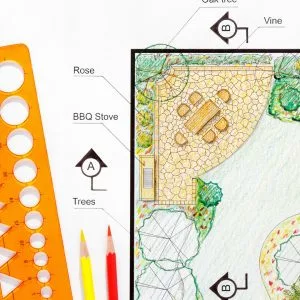
Indulge in the cosiness of your armchair, allowing your imagination to roam freely. January presents an ideal chance to strategize and visualise the aims for your garden in the coming year. A comprehensive list of required seeds and plants, accounting for quantities and specific varieties, should be compiled during this planning phase. By this method, a carefully devised plan sets the stage for a gardening journey that aligns with your aspirations. Through such thoughtful preparation, a fulfilling and rewarding experience is shaped. In the implementation of your plan, your gardening aspirations are met, and success is achieved.

January Gardening Guide; Winter Protection
Weigh up the usefulness of your winter protection measures for the garden to guarantee their continued effectiveness. Take a comprehensive look at stakes, supports, and ties that might have suffered damage during inclement weather conditions. Delicate plants and structures can be particularly vulnerable, so it’s imperative to find and address any vulnerabilities promptly. By performing this careful assessment, you actively contribute to the resistance of your garden, enhancing its ability to endure harsh weather conditions.

In addition to inspecting the physical elements, review the insulation and covering materials that shield your plants from the cold. Ensure that these protective layers stay intact and capable of supplying the necessary insulation. Any signs of wear or deterioration should be promptly addressed, keeping a passive yet vital shield against the winter chill. Initiative-taking maintenance not only boosts your garden against potential threats but also underscores your commitment to its long-term well-being.
Furthermore, consider the protection offered by the terrain and layout of your garden. Evaluate whether natural features, such as fences or larger plants, contribute to shielding more delicate specimens from harsh winds or frost. These passive measures, when well-designed, can significantly add to the overall protection of your garden.

By seeing and boosting your winter protection plans, you instil a sense of resilience and longevity into your garden’s ecosystem. Such thorough care not only safeguards your plants but also nurtures a thriving environment that withstands the challenges of the winter season with grace.
Wildlife Care
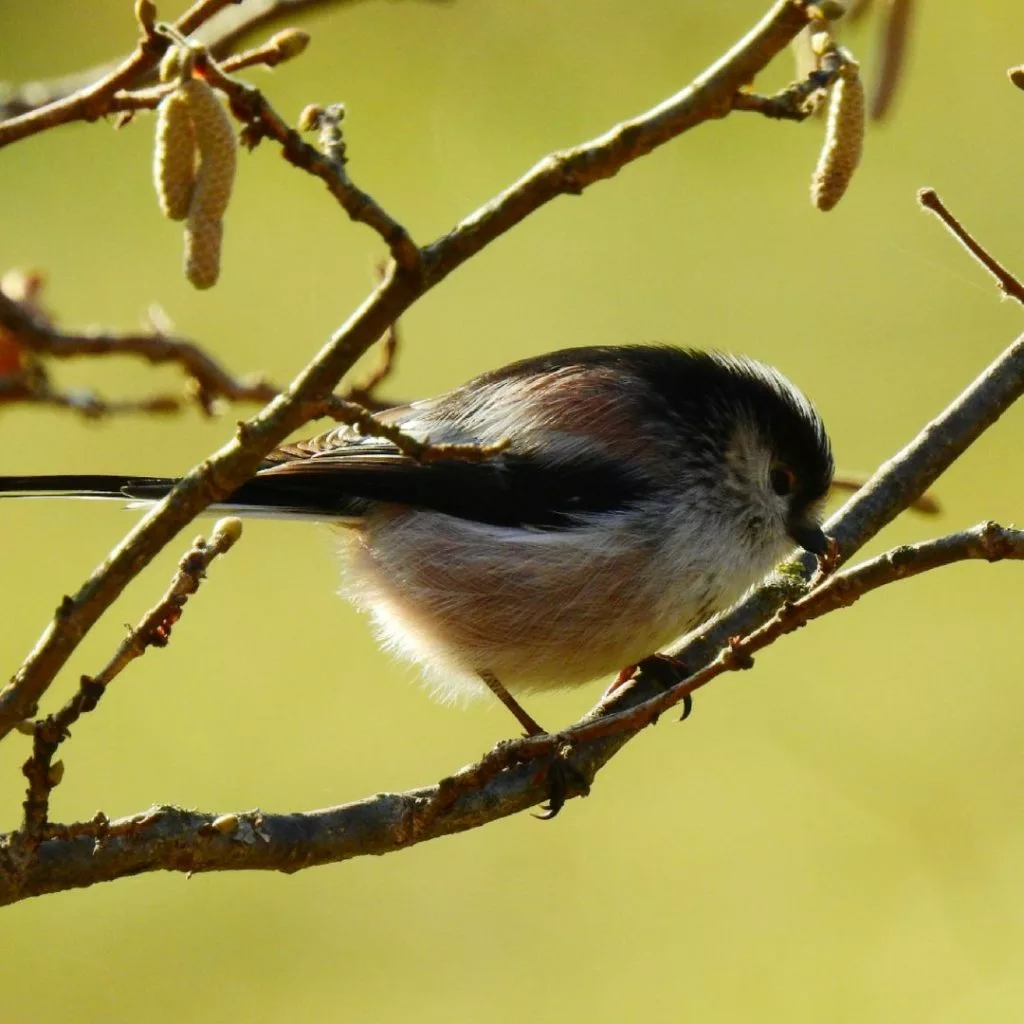
In cultivating a thriving garden, it is essential to extend our consideration beyond the vibrant flora. Do not overlook the diverse wildlife that has made your garden their home. A pivotal aspect of responsible gardening involves the continued care and support for these beings. By fostering a connection with nature and hanging seeds, fat balls and mealworms for the hungry birds. Your garden often is a refuge for wildlife in your area.
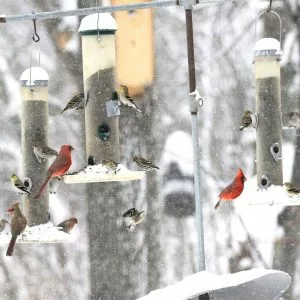
Establish feeding stations purposefully throughout your garden, laden with a variety of wild bird food. This thoughtful provision ensures that our feathered friends have access to the necessary nourishment during the colder months. As we know, natural resources may be scarce. Additionally, leaving certain areas of your garden uncut serves a dual purpose. It supplies a sheltered refuge for wildlife and contributes to the overall health of the ecosystem. However, we must be mindful of striking the balance between good husbandry and a haven for overwintering pests and diseases.

By nurturing a robust and diverse natural habitat, you can reap the rewards of a balanced environment. The mutual relationship formed through this mindful approach to gardening yields benefits beyond aesthetic appeal. It contributes to natural pest control, as the presence of predatory insects and birds helps keep a harmonious stability. This balanced coexistence translates to a garden that thrives with vitality and strength.
January Gardening Guide: Pruning Tasks
In the realm of garden care, January unfolds as an opportune period for considered pruning. One of the benefits to pruning is to encourage health and vigour of various plant species. Transitioning into a new phase of detailed garden maintenance, consider the timing of pruning of specific plants. When we prune our plants at the correct time of year, we are taking steps towards ensuring their best well-being.
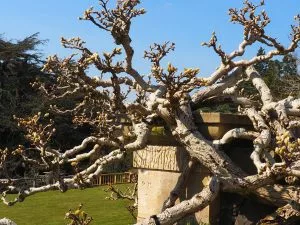
Wisterias, renowned for their cascading blooms, appear as prime candidates at this time of year. Channel your attention towards cutting back whippy summer growth, allowing only 2 or 3 buds to flourish. This deliberate approach not only shapes the plant’s appearance but also stimulates robust and concentrated floral displays. Only prune out older stems if you are looking to reduce the size of your Wisteria. The flower buds are produced on the older stems, removing them will reduce the number of spring flowers on your plant. Likewise, it is at this time of year that I prune ornamental vines and climbing roses.
Extend your pruning endeavour’s to the realm of climbers, tending to be overgrown honeysuckle with a precision that encourages the emergence of healthy new growth. Ornamental grasses, too, call for attention, beckoning for a trim to within a few centimetres of the ground. These careful actions, while minor, set the stage for a garden that multiples with lushness and vitality as the seasons unfold.
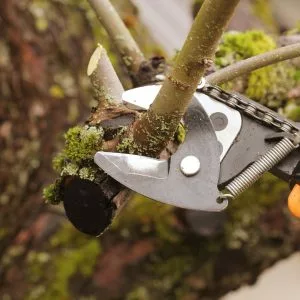
For fruit-bearing trees, particularly apple and pear varieties, the pruning ritual takes on a subtle significance. Prune the branches into an open frame, resembling a goblet shape, to steer in healthy growth and perfect yields. Similar considerations apply to currant plants and gooseberries, where selective pruning keeps a productive framework of robust branches.
If you are growing cordon, espalier, fan trained or stepover apples or pears, the best time to prune is during July.
Are you a novice vegetable or fruit grower? Then add this to your reading list: January Guide to Tasks in the Vegetable Garden.
 Pruning Stone Fruit
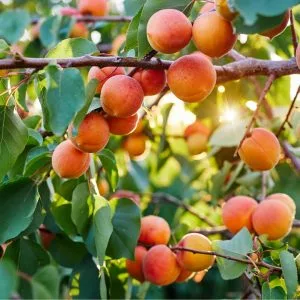
When it comes to pruning stone fruit, exercise caution when it comes to stone fruit trees—plums, cherries, and apricots. The best recommendation is a hands-off approach until the summer months. This deliberate restraint safeguards against the potential threat of silver leaf fungal infections. The delicate balance between intervention and preservation is the art of gardening. Remember to clean off your pruning tools between plants, this reduces the transference of diseases.
Active measures, such as allowing the natural dormancy and seasonal rhythms to guide the pruning process, integrates seamlessly into the gardening year. By aligning with this principle, you are working with nature itself. I first came across this principle when I was a student, many years ago!
The art of January pruning goes beyond mere maintenance. It is a planning of care, a dance of precision that rewrites the work of growth in your garden. Through careful and mindful pruning, each plant, from the magnificent wisterias to the faithful fruit trees, thrives with style and beauty.
January may be a quieter month in the garden, but it offers a wealth of opportunities for practical gardeners. By focusing on cleaning, planning, protection, pruning, and caring for wildlife, you’ll set the stage for a successful growing season ahead. Whether you’re tending to your vegetable garden or nurturing fruit trees, these essential tasks will contribute to a vibrant and productive outdoor space. Embrace the potential of January and embark on a gardening journey that promises beauty, abundance, and the joy of watching your plants flourish.