

Epsom salts in the garden is a versatile and effective tool for any gardener. Gardening enthusiasts are always on the lookout for natural and effective ways to boost plant health and productivity. Epsom salt, a well-known household staple, has gained recognition in the gardening world for its remarkable benefits. From enhancing nutrient uptake and improving soil quality to acting as a natural pest deterrent, Epsom salt offers a versatile solution for gardeners. In this blog, we will explore how incorporating Epsom salt into your gardening routine can lead to healthier, more vibrant plants. Discover the magic of Epsom salt and transform your garden into a thriving, eco-friendly oasis.
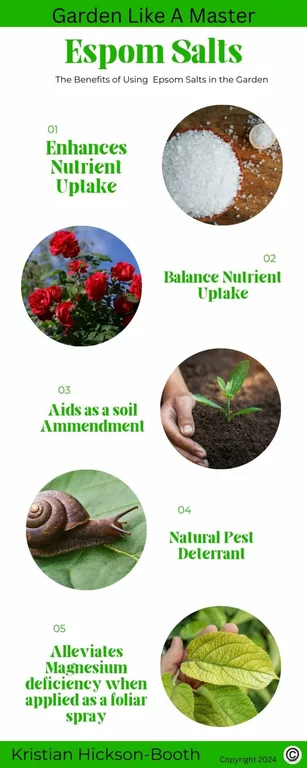
Benefits of Using Epsom Salt for Plant Growth
Epsom salts in the garden can bring added benefits to the ecosystems of our gardens. Besides aiding our plants Epsom'salts can help bo-divesity, sustainable soil and organic pest management strategies.
Enhanced Nutrient Uptake
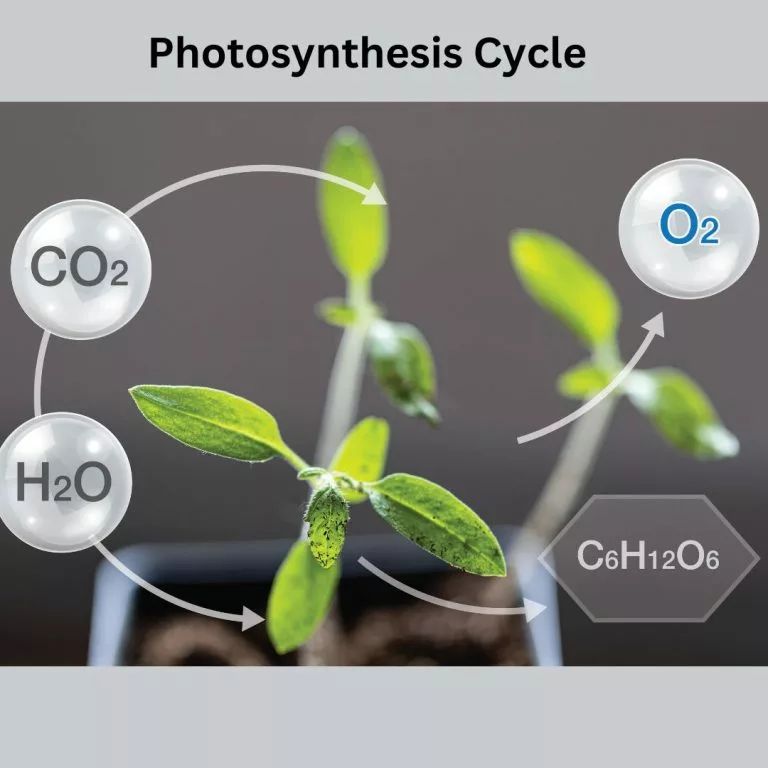
In the realm of gardening and plant care, when nutrient uptake is enhanced, plants can more efficiently take in the minerals. These minerals and elements perform critical functions such as photosynthesis, respiration, and cell formation.
In the context of using Epsom salt (magnesium sulphate) for gardening, enhanced nutrient uptake specifically involves the certain plant functions. The fundamentals of photosynthesis, balanced nutrient uptake, efficient energy transfer and stress resistance can all benefit from Epsom salts.
When a plant receives adequate magnesium levels it enables plants to produce more chlorophyll, thereby enhancing their ability to convert sunlight into energy. With the help of the correct amount of magnesium, the plants can better regulate other minerals. Those minerals, the main ones being phosphorus, nitrogen and potassium, adds to robust growth in plants. When there is a balance of magnesium the absorption of nutrients is at it’s optimum.
Epsom Salts in the Garden: Sulphur is another key player
Similarly, sulphur, another component of Epsom salt, is vital for the synthesis of amino acids and enzymes. These are essential for protein formation and energy metabolism. Enhanced sulphur availability aids in the smooth functioning of these biochemical pathways, this is known as ‘Efficient Energy Transfer.’
Building Stress Resistance
Furthermore, by improving overall nutrient absorption, plants become more resilient to environmental stressors such as drought, temperature fluctuations, and disease. Well-nourished plants are better equipped to withstand adverse conditions.
In summary, enhanced nutrient uptake facilitated by Epsom salt results in healthier, more vigorous plants capable of reaching their full growth potential.
Improved Soil Quality
With the aid of Epsom salt, moreover the presence of sulphur a gardener can help alkalinity regulation, making it beneficial for acidic soils. Sulphur in Epsom salt can help manage the pH levels of the soil. When applied to acidic soils, sulphur can act as a neutralizing agent, helping to balance the soil pH closer to neutral. This adjustment makes the soil less hostile for plant roots and more conducive to nutrient uptake. Additionally, sulphur facilitates nutrient uptake by plants, contributing to overall soil fertility and health
Epsom Salts in the Garden: Facilitates Soil Fertility and Nutrient Uptake
The presence of sulphur is not only crucial for pH regulation but also directly benefits plant nutrient absorption. Sulphur plays a critical role in the formation of certain amino acids and enzymes in plants. These compounds are necessary for nutrient absorption and utilization. By improving the biochemical processes involved in nutrient uptake, sulphur helps plants access and use the nutrients available in the soil more efficiently.
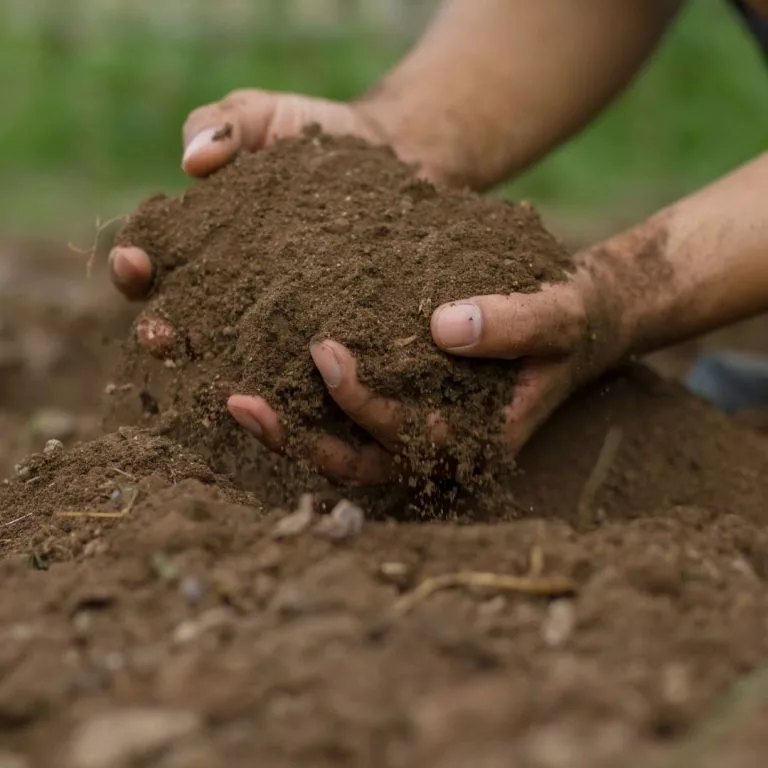
Soil fertility refers to the soil's ability to provide adequate nutrients in proper balance for plant growth. The combined effects of sulphur on pH regulation and nutrient uptake mean that the soil becomes more fertile. Fertile soil supports healthy plant growth, leading to vigorous plants that can better resist diseases and environmental stressors. By improving nutrient availability and balancing soil pH, sulphur contributes to healthier soil ecosystems, promoting robust plant communities and sustainable gardening practices
Epsom Salts in the Garden: Methods of Application
In addition to this Epsom Salts can be used as Soil amendment, thus protecting vulnerable plants. Simply sprinkle a thin line of Epsom salt on the soil around the base of the plant. This barrier needs to be continuous and complete to be effective. It is a fast method to address deficiencies compared to soil application. Furthermore, as the nutrients bypass the soil they are directly taken up by the leaves.
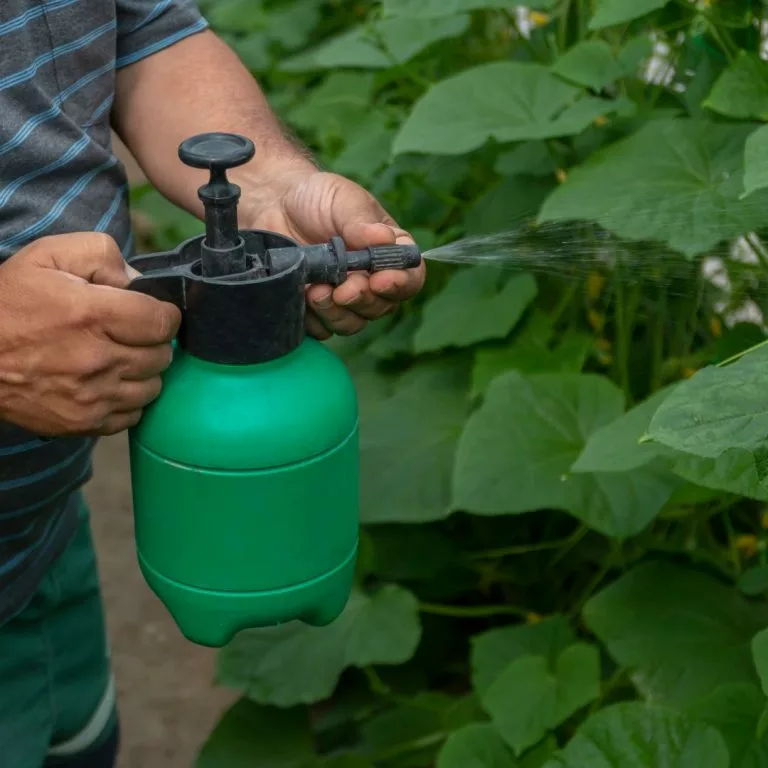
Applying a Foliar Spray to improve the health of your plants
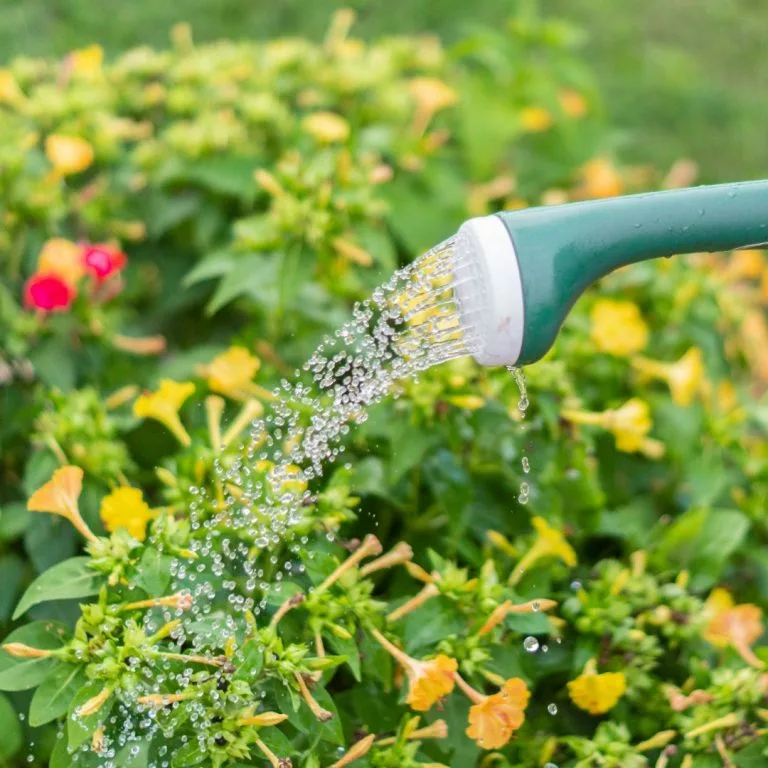
A foliar spray made with Epsom salt can rejuvenate tired, lacklustre foliage. Magnesium deficiency often manifests as yellowing leaves or stunted growth. Magnesium is a central atom in the chlorophyll molecule, which is necessary for photosynthesis. By spraying a solution of Epsom salt directly onto the leaves, plants can quickly absorb magnesium through their foliage.
Epsom Salts in the Garden: Pest Control Techniques
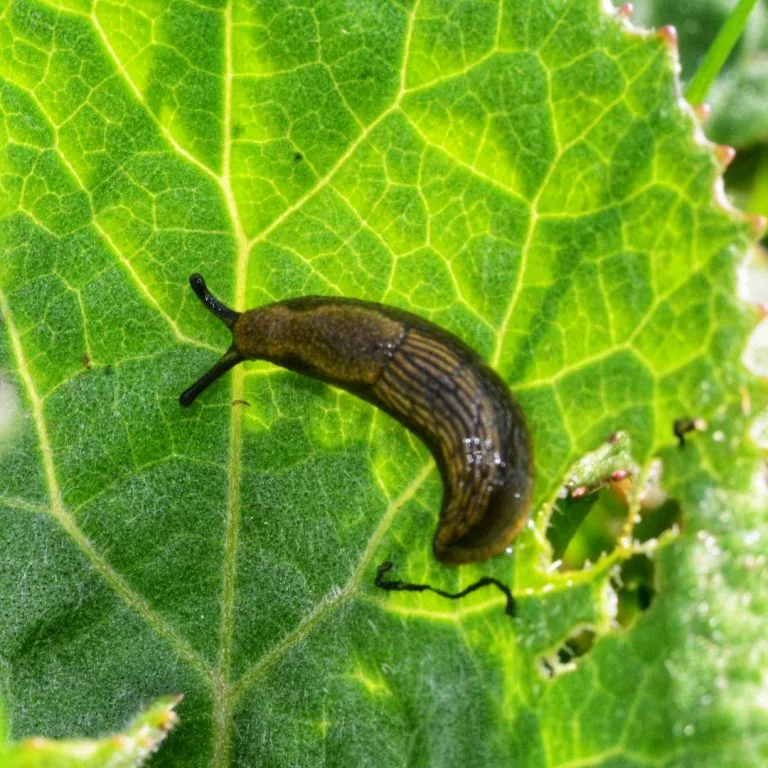
Did you know, Epsom salt can act as a natural deterrent against certain garden pests, such as slugs and snails. By creating a physical barrier around your plants, slugs and snails have soft, moist bodies. When they come into contact with Epsom salt, it absorbs moisture from their bodies, causing discomfort and dehydration. This makes crossing the barrier unpleasant and potentially harmful for them, effectively deterring them from reaching the plants.
Epsom Salt in the Garden: How to Incorporate Your Gardening Routine
Preparing Epsom Salt Solutions
Preparing Epsom salts as a foliar spray mix Epsom salt with water. The solution can be sprayed directly onto plant leaves. This method ensures quick absorption of magnesium and sulphur, providing immediate benefits to the plant.
Dosage and Frequency Guidelines
Use about 1 tablespoon of Epsom salt per gallon of water for foliar sprays. Apply every two weeks for best results. For soil amendments, mix 1 tablespoon into the soil at the base of each plant during planting.
Tips for Optimal Results
Always test your soil before adding Epsom salt to avoid over-application. Combine Epsom salt with other organic fertilizers to create a balanced nutrient profile for your plants.
Epsom Salts in the Garden: Success Stories
Transformative Effects of Epsom Salt
Before and After Comparisons: Gardeners often report noticeable improvements in plant health and Vigour after incorporating Epsom salt into their routine. Yellowing leaves turn green, and plants exhibit more robust growth.
Testimonials from Gardening Enthusiasts
Many gardeners have shared success stories of using Epsom salt to revive struggling plants and enhance overall garden productivity.
It is always wise to take a soil test and only use Epsom Salts and there is a magnesium deficiency present. Adding too much or additional use of Epsom Salts over time can change the balance of the soil. It is always advisable to read the instructions when using Epsom Salts.
Eco-Friendly Gardening Practices with Epsom Salt
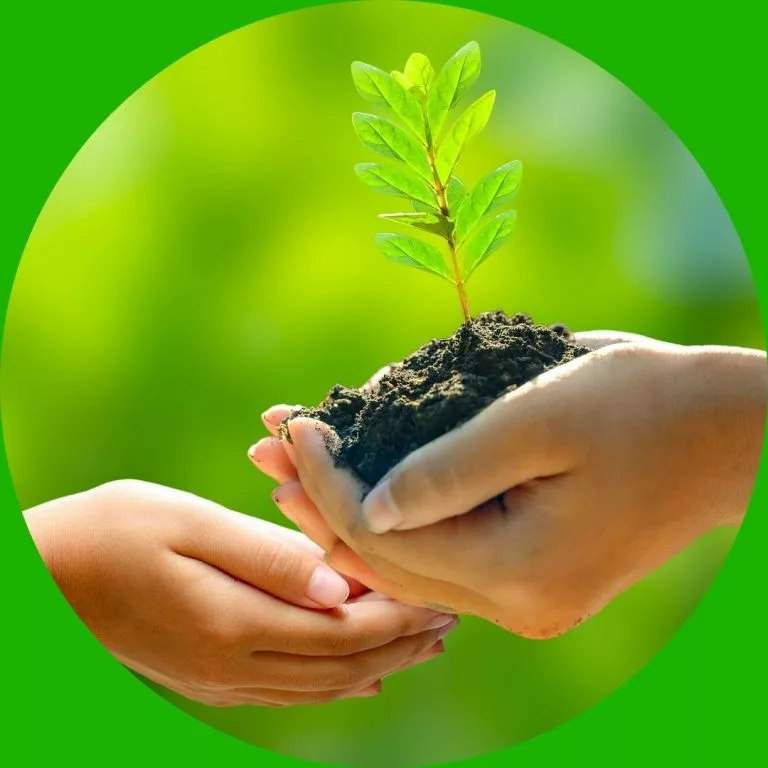
Epsom Salts in the Garden: Sustainable Soil Management
By using Epsom salt, gardeners can maintain healthy soil pH levels and nutrient balance without relying on synthetic chemicals.
Organic Pest Management Strategies
Epsom salt provides an effective, natural alternative to chemical pesticides, protecting plants while preserving the environment.
Promoting Biodiversity in Your Garden
Healthy plants grown with the help of Epsom salt contribute to a thriving garden ecosystem, supporting a diverse range of beneficial insects and microorganisms.
Epsom Salt in the Garden: Conclusion
In conclusion, using Epsom salt in your garden can lead to healthier plants, improved soil quality, and a more sustainable gardening practice. Whether you're addressing nutrient deficiencies, deterring pests, or simply enhancing plant growth, Epsom salt is a versatile and effective tool for any gardener. However, use with some caution, like all added nutrients and compounds I would advocate only apply when necessary. The soil has it’s own natural balance when we nurture what nature intended.
Here are 10 Proven Uses for Epsom Salts For the Garden
If you enjoyed this article you may be interested to read How to Unmask Your Garden Style and be a Winner!